
A bit of rain feels harmless. Your pool disagrees. Here's what actually happens to your water when the sky opens up, and why winter makes it worse.
Top Tips • Latest News • Offers • Competitions • Prizes • Giveaways and lots more!!!

Top Tips
Latest News
Offers
Competitions
Prizes
Giveaways
And lots more!!!
Sunday and Monday are looking pretty ordinary weather-wise across Newcastle, and while most of us will be perfectly happy to stay inside with a coffee and pretend the garden doesn't exist, your pool will be out there doing something you probably haven't thought much about. It's collecting rain. And rain, even a light drizzle, isn't the neutral top-up it looks like. It's slightly acidic, it carries airborne debris, and it dilutes everything you've carefully balanced in that water. In winter, when most pools are already running on a skeleton maintenance schedule, that dilution hits harder than people expect.
Here's the thing about pool chemistry: it works as a system. When rain falls into your pool it doesn't just add water, it shifts the balance. pH drops because rainwater is acidic, typically sitting somewhere between 5.5 and 6.5 depending on conditions. Your total alkalinity takes a hit at the same time, which makes the pH even harder to stabilise. Chlorine gets diluted, so your sanitiser level falls right when you've introduced a fresh load of organic material from the atmosphere. And then there's the phosphate problem, which is the one most people don't think about until they're staring at a green pool wondering what happened.
Check out our reviews!

After having a poor experience at another pool shop in the area I’m glad I found these guys. Fantastic service and I never feel it’s about the upsell and unnecessary purchases. They answer all my questions and offer no nonsense practical solutions. My pool has never looked better!
Dan Marshall
Really like the new owners. Helpful but not trying to over sell.
Kelly F
Great service from the new team. Due to construction I had the pool in disservice and it turned green and bits didnt look like they were working. I got great advice and within days I had a sparking pool again. Also very friendly and approachable which is awesome.
Filip Czyzewski
Fantastic service from Adam & the new owners at Poolside. They couldn’t have been more professional & punctual.
Russel Fowler
Fantastic Service from Poolside Newcastle, they were helpful with my issues and gave me plenty of advice.
Bill Nine


Phosphates are algae food. Full stop. They enter your pool through rain runoff, windblown dust, leaves, even the sunscreen and body oils from swimmers, but rain events are a particularly reliable delivery system. In summer this is annoying. In winter it's almost sneaky, because your pool is warmer than the air, circulation is often reduced, and you're probably not out there checking it every couple of days the way you might be in January. Phosphates accumulate quietly. Then when the temperature starts climbing in September and October, you've got a pool that is essentially pre-loaded with algae fuel and has been sitting there building up a head of steam for weeks. That's how people go into spring with a pool that turns green in what feels like forty-eight hours. It didn't happen in forty-eight hours. It was building all winter.
The knock-on effects don't stop at algae risk either. Low pH and unstable alkalinity are genuinely corrosive to pool surfaces over time. Plaster and fibreglass both suffer when water sits in an acidic state for extended periods. Grout in tiled pools starts to erode. Equipment, particularly heat pumps and salt cells, can show accelerated wear when water chemistry is consistently off. None of this is dramatic on a Monday morning after a bit of drizzle, but the cumulative effect of ignoring a few rain events across a winter is the kind of thing that shows up as a repair bill in spring rather than a ten-dollar bag of pH buffer now. Winter is genuinely the best time to stay across this stuff, not because your pool is being used heavily, but because catching imbalances early costs almost nothing compared to fixing them once they've embedded themselves in the water or the surface.
What To Do Next
After any rain event, even a light one, it's worth running through a basic chemical check before you write it off and go back inside. Here's what to look at.
Test your pH first. You want it sitting between 7.2 and 7.6. Rain almost always pushes it below that range, so you'll likely need to add some pH increaser. Don't skip this step because low pH is the thing that makes everything else harder to manage.
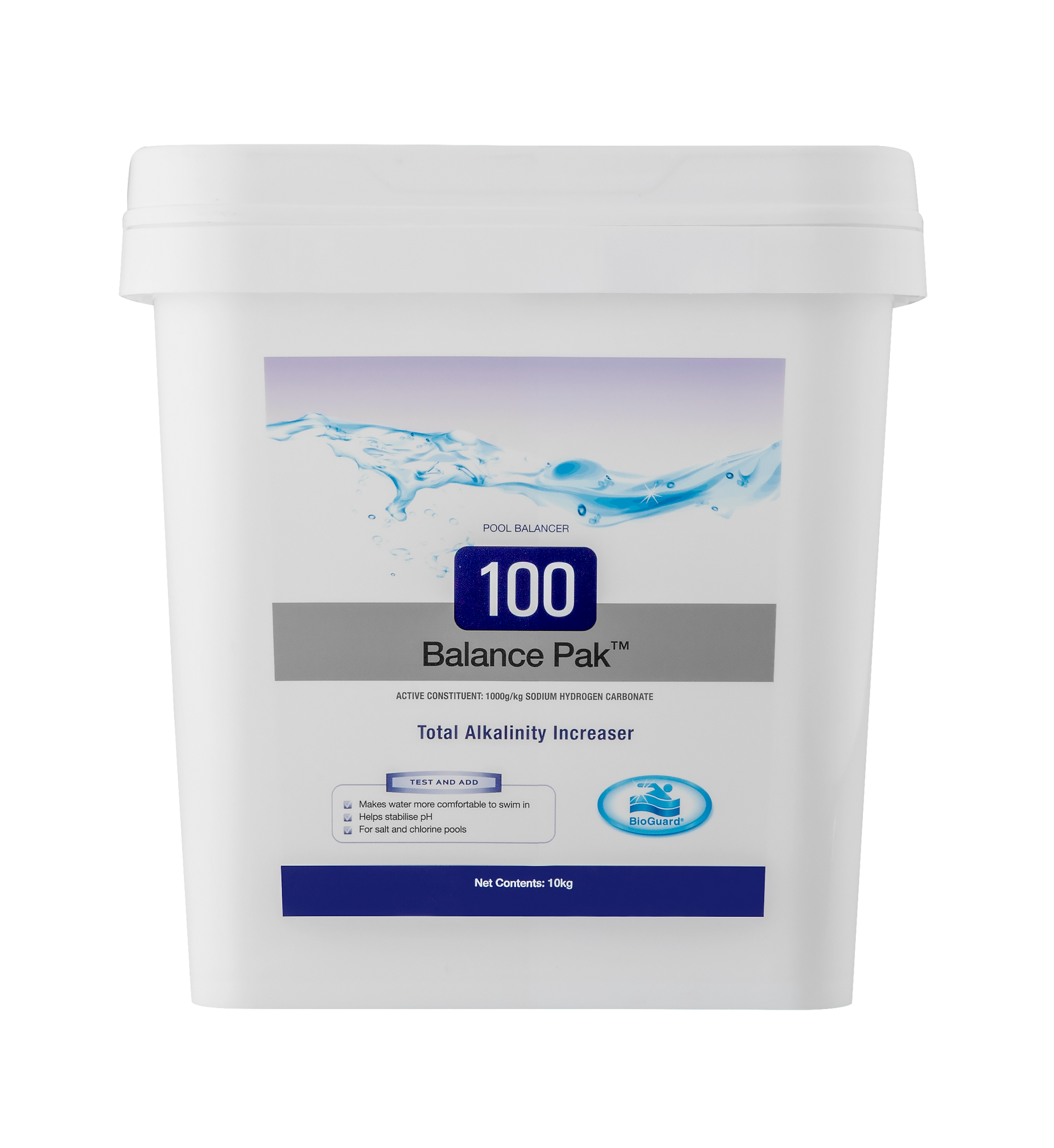
Check your total alkalinity next. It should sit between 80 and 120 parts per million. Alkalinity is essentially your pH's shock absorber, and when it drops, your pH becomes unstable and hard to hold in range. If it's low, bring it up with a buffer before you try to chase the pH. You'll save yourself a lot of frustration.
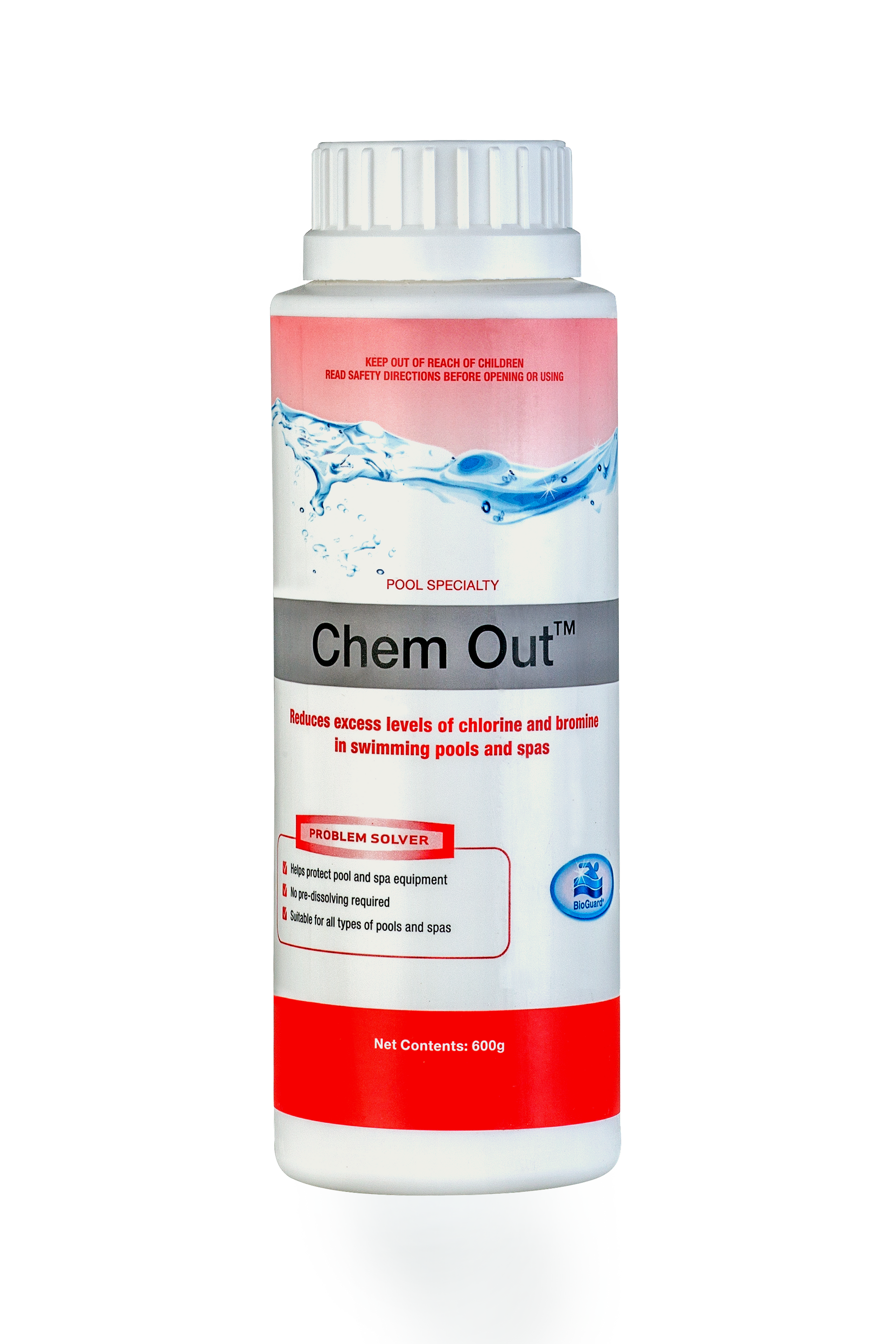
Look at your chlorine level. After rain you can expect it to be lower than usual, partly from dilution and partly because the organic load introduced by rain increases chlorine demand. In winter your pool isn't burning chlorine the way it does in summer heat, but you still need a functional sanitiser level. Aim for 1 to 3 parts per million free chlorine.
Test for phosphates, or better yet, bring a water sample in and let us run a full test. Phosphate levels aren't something a basic home test kit always picks up accurately, and because the problem is invisible until it isn't, it's easy to underestimate. If your phosphates are elevated, a phosphate remover treatment now is a genuinely small investment against what algae remediation costs in spring.
Finally, give your pool a once-over visually. Clear out any leaves or debris that came in with the rain, because decomposing organic material is just more phosphate and more chlorine demand. If your filter hasn't been backwashed recently, this is a good prompt to do that too.
If you're not sure where your water is sitting or you'd rather not guess, bring a sample into Poolside Newcastle and we'll test it for free. It takes a few minutes, you'll know exactly what your pool needs, and you can pick up whatever products are required on the spot. No drama, no overselling, just straight answers about your water.
We're at 15 Lambton Road, Broadmeadow. Open Monday to Friday and Saturday mornings. Come in before this week's rain turns into next month's problem.
Join us to find out more!
Contact Us
We will get back to you as soon as possible.
Please try again later.
Find out about our Poolside deals first!