
Winter is the perfect low-effort season to build a pool testing habit. Here's how a simple weekly log saves you money and stress before summer arrives.
Top Tips • Latest News • Offers • Competitions • Prizes • Giveaways and lots more!!!

Top Tips
Latest News
Offers
Competitions
Prizes
Giveaways
And lots more!!!
Most Newcastle pool owners do one of two things over winter. They either keep on top of their water like it's still January, or they quietly shut the gate, tell themselves it'll sort itself out, and don't think about it again until October. If you're in the second camp, no judgement. But here's the thing: winter is actually the best time to build a habit that will save you real money when the warm weather comes back.
The habit is simple. It's a weekly chemical log. A record of your pool's water chemistry over time, written down in one place. Not a spreadsheet with seventeen tabs. Not an app that requires a tutorial. Just a consistent record of what's happening in your pool, week after week, so you can see where things are heading before they arrive.
Cooler water is deceptive. Algae doesn't vanish in winter, it just slows down. Chemical imbalances don't fix themselves, they sit there quietly, accumulating. Then September hits, the water warms up, and suddenly you've got a green pool, a confused skimmer basket, and a very expensive catch-up job on your hands. The pool didn't get sick in September. It got sick in July and nobody noticed.
So here's what a useful weekly log actually looks like. You test your water, you write down the results, and you do it at roughly the same time each week. That's the whole system. What you're recording matters though, so let's be specific.
Check out our reviews!

After having a poor experience at another pool shop in the area I’m glad I found these guys. Fantastic service and I never feel it’s about the upsell and unnecessary purchases. They answer all my questions and offer no nonsense practical solutions. My pool has never looked better!
Dan Marshall
Really like the new owners. Helpful but not trying to over sell.
Kelly F
Great service from the new team. Due to construction I had the pool in disservice and it turned green and bits didnt look like they were working. I got great advice and within days I had a sparking pool again. Also very friendly and approachable which is awesome.
Filip Czyzewski
Fantastic service from Adam & the new owners at Poolside. They couldn’t have been more professional & punctual.
Russel Fowler
Fantastic Service from Poolside Newcastle, they were helpful with my issues and gave me plenty of advice.
Bill Nine


Free chlorine is the main one. It's the active chlorine doing the work against bacteria and algae. You want it sitting between 1 and 3 parts per million. Combined chlorine, which is the used-up chlorine that's already done its job, should stay below 0.2. If the gap between those two numbers starts shrinking, you've got a demand issue building.
pH is next. Aim for 7.2 to 7.6. This one moves around more than people expect, especially if you're getting rain or heavy use. A pH that drifts high makes your chlorine less effective, even when the reading looks fine on the surface. That's a classic winter trap because nothing looks obviously wrong until it is.
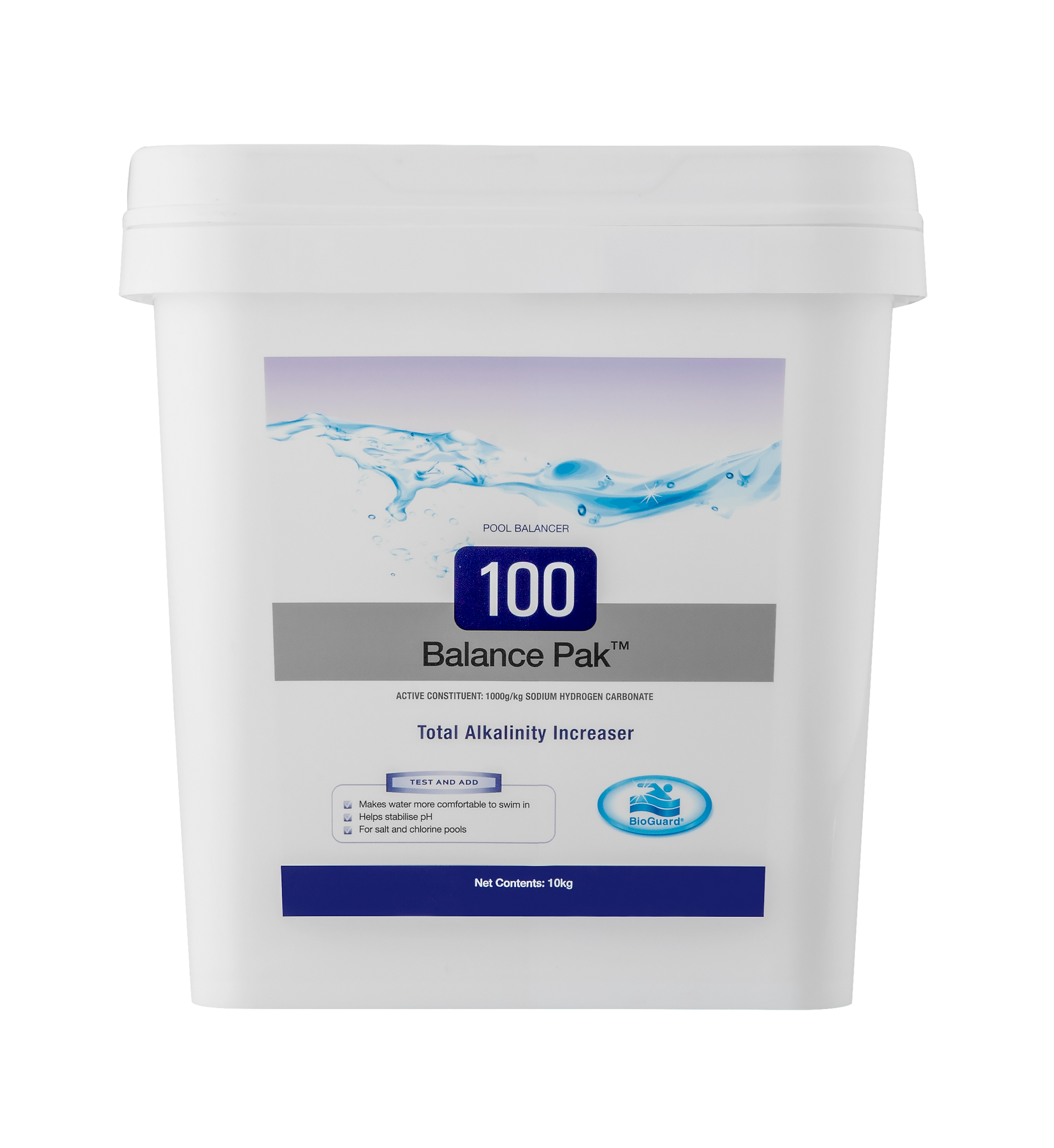
Total alkalinity keeps your pH stable. It should sit between 80 and 120 parts per million. Think of it as the shock absorber for the rest of your chemistry. If alkalinity is off, pH becomes unpredictable and harder to manage.
Calcium hardness matters more for concrete and tiled pools, but it's worth logging regardless. The range is 200 to 400 parts per million. Too low and water gets aggressive, meaning it starts pulling minerals out of your pool surfaces. Too high and you get scaling and cloudy water.
Cyanuric acid, sometimes called stabiliser, protects your chlorine from UV breakdown. Useful in summer. Less of an issue in winter, but still worth checking monthly to make sure it's not creeping too high over time.
Now here's the part that makes all this worthwhile. When you log these numbers weekly and look back over a month or six weeks, patterns emerge. You might notice your pH climbs every time it rains. You might see your chlorine dropping faster than usual over a specific two-week stretch, which could point to an algae bloom starting before you can see it. You might notice your alkalinity has been quietly drifting low for three weeks running, which explains why your pH has been harder to pin down.
Without a log, every test feels like a standalone event. With a log, you're reading a story. And stories give you warning before the ending.
What To Do Next
If you've never kept a pool log before, start this week. Seriously, this week. Get a notebook from the garage, rule up a few columns, and test your water. Write down the date, the temperature if you can, and your readings for chlorine, pH, alkalinity, calcium hardness, and stabiliser. Done. That's your first entry.
In terms of testing, a quality set of test strips will get you through most of what you need for weekly monitoring. They're fast, easy to read, and perfectly adequate for keeping a consistent record. If you want more precision, a digital tester gives you cleaner numbers and removes a bit of the colour-matching guesswork. Both options work. The important thing is that you actually use whatever you buy.
If you want a more complete picture to start with, a professional water test gives you a full baseline reading across all the key parameters. It's a good idea to do one at the start of winter and again before summer to see where things have shifted over the cooler months.
Come into Poolside Newcastle and we'll sort you out with whatever you need. Test strips, digital testers, chemicals to balance what you find, and a free water test to get you started with accurate numbers rather than guesses. We can also add you to our water testing database, which means your history is on file and we can help you interpret your results over time rather than just looking at a single snapshot.
Winter is genuinely the low-pressure window to build this habit. There's no urgency, no crisis, no green pool staring you down. Just a bit of time and a quiet pool that's better off for the attention.
Get the notebook. Do the test. Come and see us.
Poolside Newcastle is at 128 Beaumont Street, Hamilton. We're here Monday to Friday and Saturday mornings.
Join us to find out more!
Contact Us
We will get back to you as soon as possible.
Please try again later.
Find out about our Poolside deals first!