


Pool Water Chemistry Basics
Nat Spooner | 26-03-2026 10:03:12

Master pool water chemistry for a sparkling, safe, and enjoyable swimming experience.
Maintaining Your Slice of Paradise: A Simple Guide to Pool Water Chemistry
Owning a swimming pool offers a delightful escape, a private oasis for relaxation and fun. But to keep that water sparkling and inviting, a little bit of science is involved. Understanding the basics of pool water chemistry is the key to ensuring a safe, enjoyable, and low-maintenance swimming experience. It's not as daunting as it sounds, and getting it right will protect your pool and its equipment in the long run.
Think of your pool water as a delicate ecosystem that needs balance. Several key elements work together to keep it clean, clear, and comfortable for swimmers.
The Main Players in Pool Chemistry
pH Levels: This is the measure of how acidic or alkaline your pool water is. The ideal range is between 7.2 and 7.8. If the pH is too low (acidic), it can cause skin and eye irritation and corrode your pool equipment. If it's too high (alkaline), it can lead to cloudy water and scale formation, and reduce the effectiveness of your chlorine.
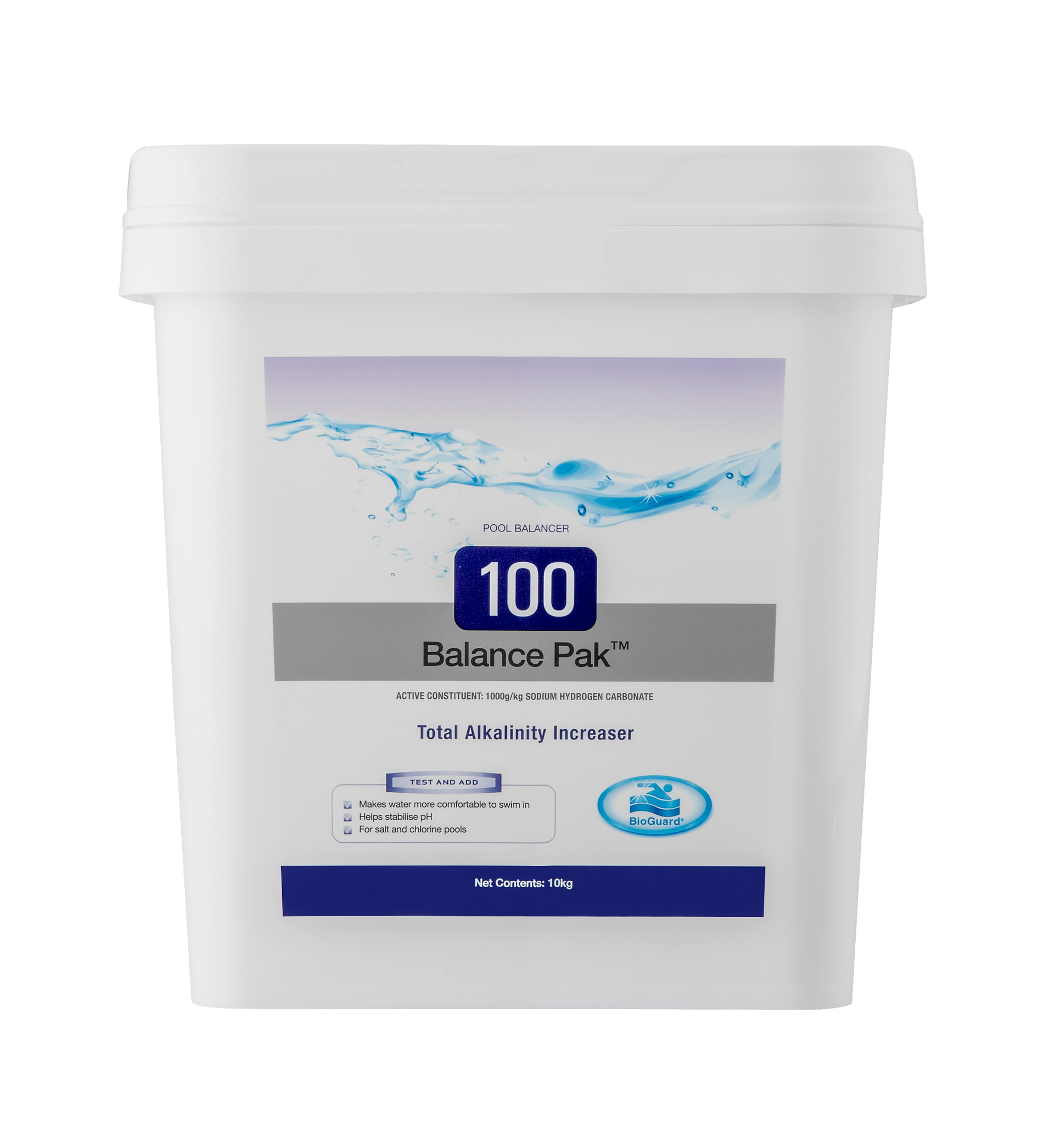
Total Alkalinity: This acts as a buffer for the pH, helping to keep it stable. The recommended range for total alkalinity is between 80 and 120 parts per million (ppm). When alkalinity is within this range, it prevents sudden and drastic swings in pH.
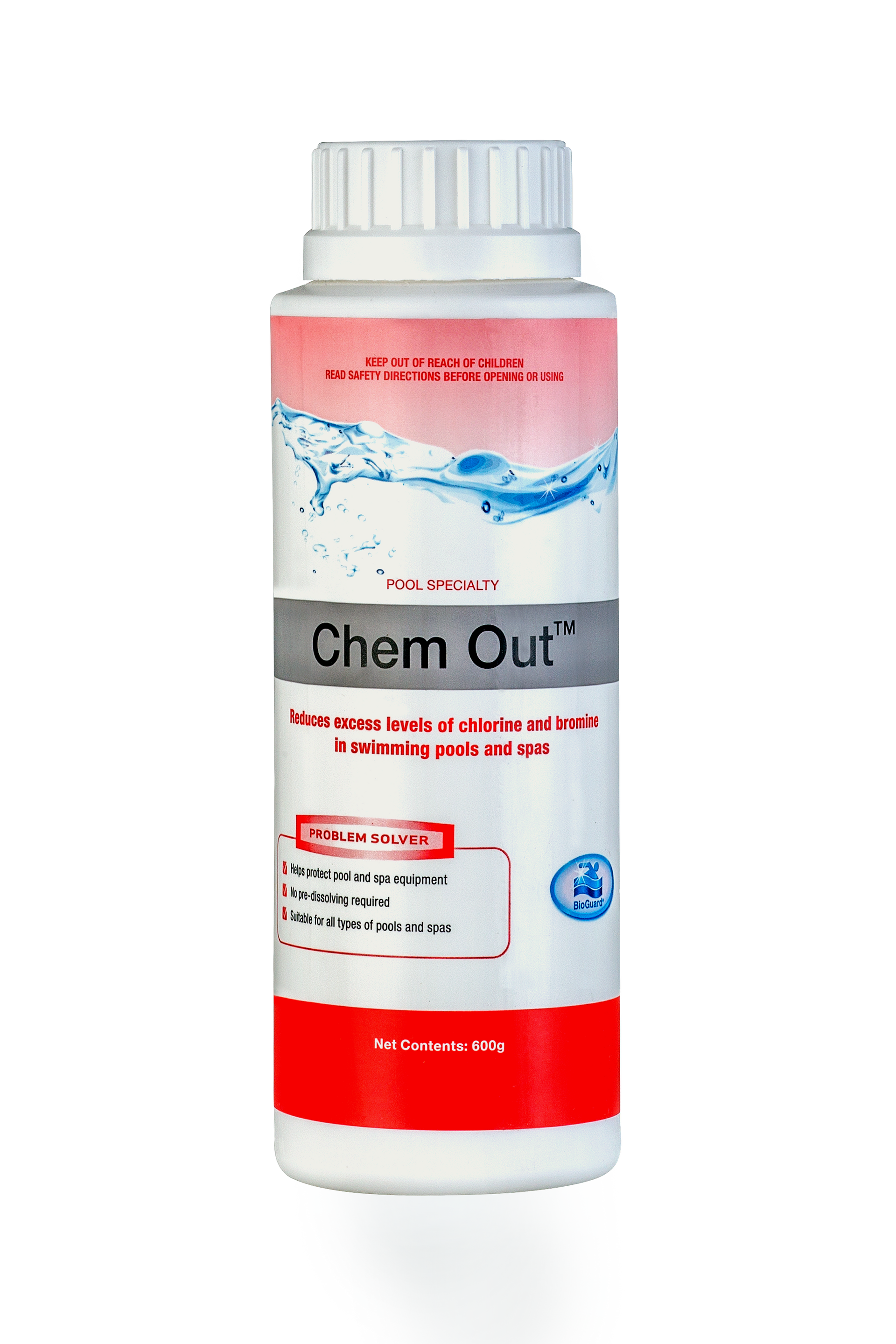
Sanitisers: These are the chemicals that keep your pool free of harmful bacteria, algae, and other contaminants. The most common sanitiser is chlorine, which should be maintained at a level of 1.0 to 3.0 ppm. Other options include bromine, ozone, and mineral systems.
Calcium Hardness: This refers to the amount of dissolved calcium in your pool water. The ideal range is 200 to 400 ppm. If the calcium hardness is too low, the water can become corrosive and damage your pool's surfaces. Too high, and you'll see scale buildup on your equipment and pool surfaces.
Cyanuric Acid (Stabiliser):This is especially important for outdoor pools. Cyanuric acid protects chlorine from being broken down by the sun's ultraviolet rays. The recommended level is between 30 and 50 ppm.
Keeping It All in Balance
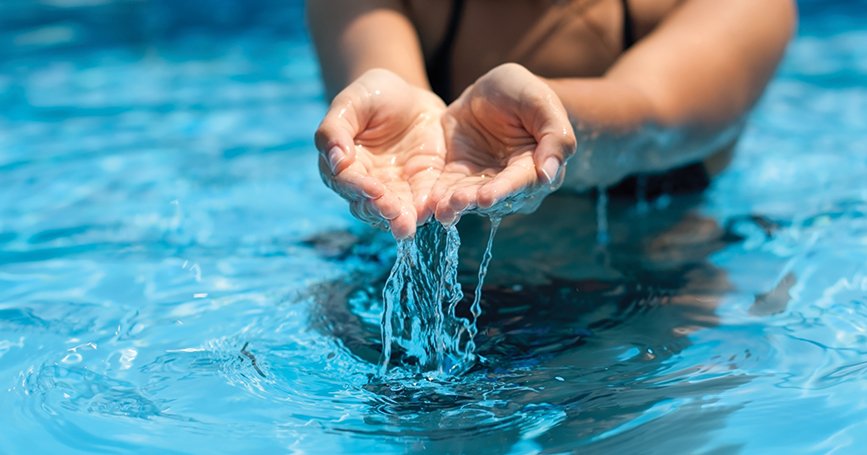
Regular testing is crucial for maintaining the right chemical balance in your pool. You can use test strips or a liquid test kit to check the levels of these key chemicals at least once a week. It’s also a good idea to have your water professionally tested every so often to ensure everything is in order.
By understanding these basic principles, you can take the guesswork out of pool maintenance and spend more time enjoying your beautiful and clean swimming pool. A little attention to your pool's chemistry will go a long way in preserving your backyard paradise for years to come.
How do I keep my pool water clear during a heavy-use Aussie summer?
The secret is consistency! With the kids jumping in every day, organic matter and sunscreen can quickly throw off your chemical balance. We recommend testing your water at least twice a week during the peak summer months. Ensure your pH stays between 7.2 and 7.6 and keep your chlorine levels stable to prevent algae before it starts. If the pool looks a little cloudy after a big family bash, a "shock" treatment can help restore that crystal-clear "Poolside" sparkle overnight.
Do I really need to maintain my pool during the winter months?
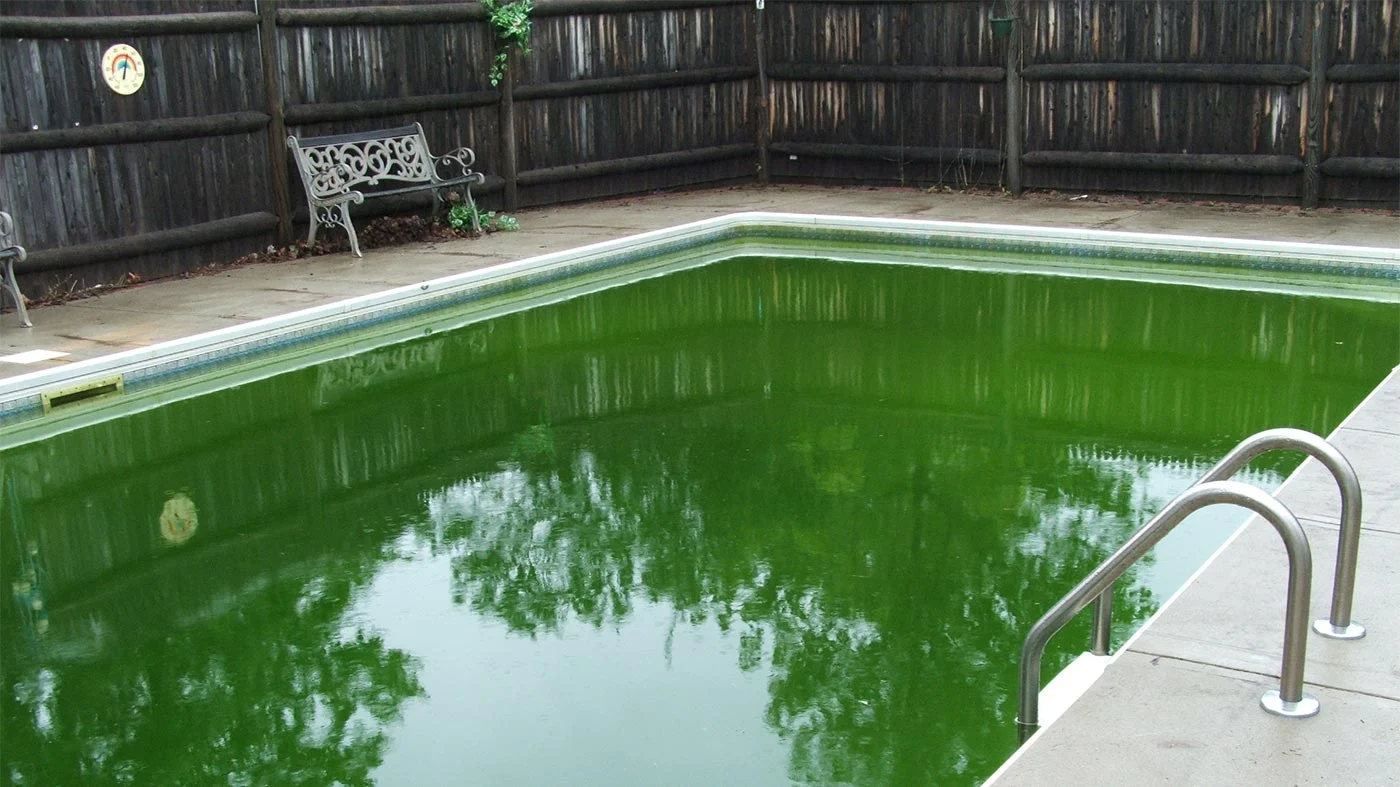
Absolutely! As our favorite Poolside Mum says, you need the right gear year-round. While you might not be swimming in July, "closing" your pool properly saves you time and money. Reducing your pump run time and using a high-quality winter algaecide prevents the "green pool" nightmare. Keeping up with basic maintenance during the off-season ensures that the moment the first warm breeze hits, your pool is ready for family time without a massive cleanup.
What is the best way to stop water evaporation during heatwaves?
In the harsh Australian heat, you can lose thousands of liters of water to evaporation alone. The most effective solution is a solar pool cover. Not only does a cover stop up to 90% of evaporation, but it also helps retain heat for those late-afternoon swims and keeps debris like leaves and insects out of your filters. It’s the "everything you need" essential for a sustainable, low-maintenance backyard.
Get Pool Water Chemistry Basics from Poolside Newcastle today!
Check out Poolside Newcastle's pro pool tips to keep your pool in tip-top shape all year!
Autumn Pool Maintenance Tips

Benefits of Professional Pool Maintenance

Winter Pool Maintenance Tips
Importance of Pool Water Testing
Pool Water Chemistry Basics

Corded vs Cordless Pool Cleaners